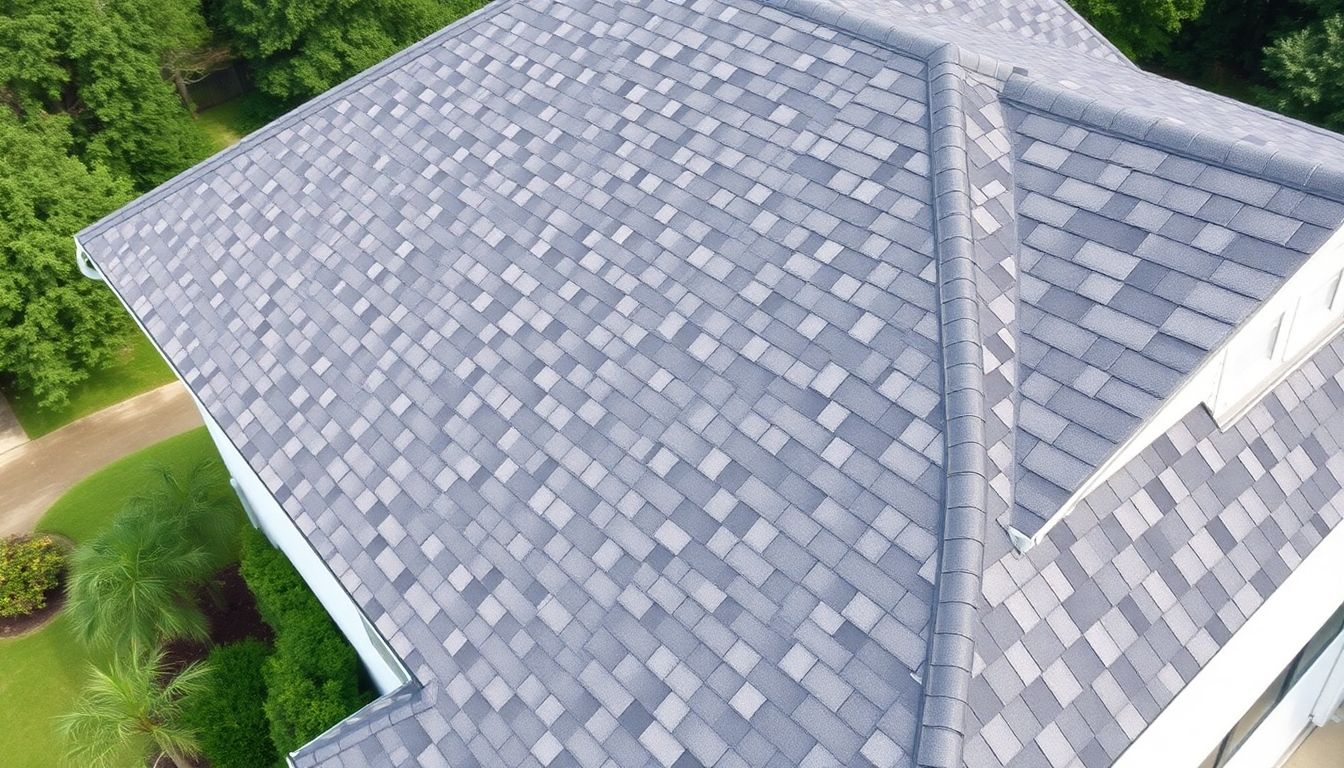
When Your Houston Roof Says It’s Time for a Change
Your roof is talking to you. The question is: are you listening?
Here in Houston, our roofs take a beating. Between the scorching summer heat, sudden thunderstorms, and the occasional hail storm that feels like Mother Nature throwing a tantrum, your roof works overtime to protect your home.
At Top Quality Roofing, we see homeowners every day who wish they’d paid attention to the warning signs earlier. Some waited until water was dripping into their living room during a storm. Others ignored the missing shingles until their energy bills started climbing.
A full roof replacement isn’t something you wake up one day and decide to do. It’s usually the result of years of wear, storm damage, or simply reaching the end of your roof’s natural lifespan. But here’s the thing – waiting too long can cost you thousands more in repairs to your home’s interior.
So how do you know when repairs won’t cut it anymore? What should you expect during the replacement process? And how do you find a contractor who won’t disappear after the first payment?
We’ll walk you through everything you need to know about roof replacement in Houston, from recognizing the signs to celebrating your new roof’s first storm.
The Warning Signs Your Roof Is Waving
Your roof has its own way of crying for help. Sometimes it’s subtle, like a whisper. Other times it’s as obvious as a neon sign.
The most obvious sign is age. If your roof is pushing 20 years or older, it’s probably time to start planning. But age isn’t everything. Houston’s weather can age a roof faster than normal.
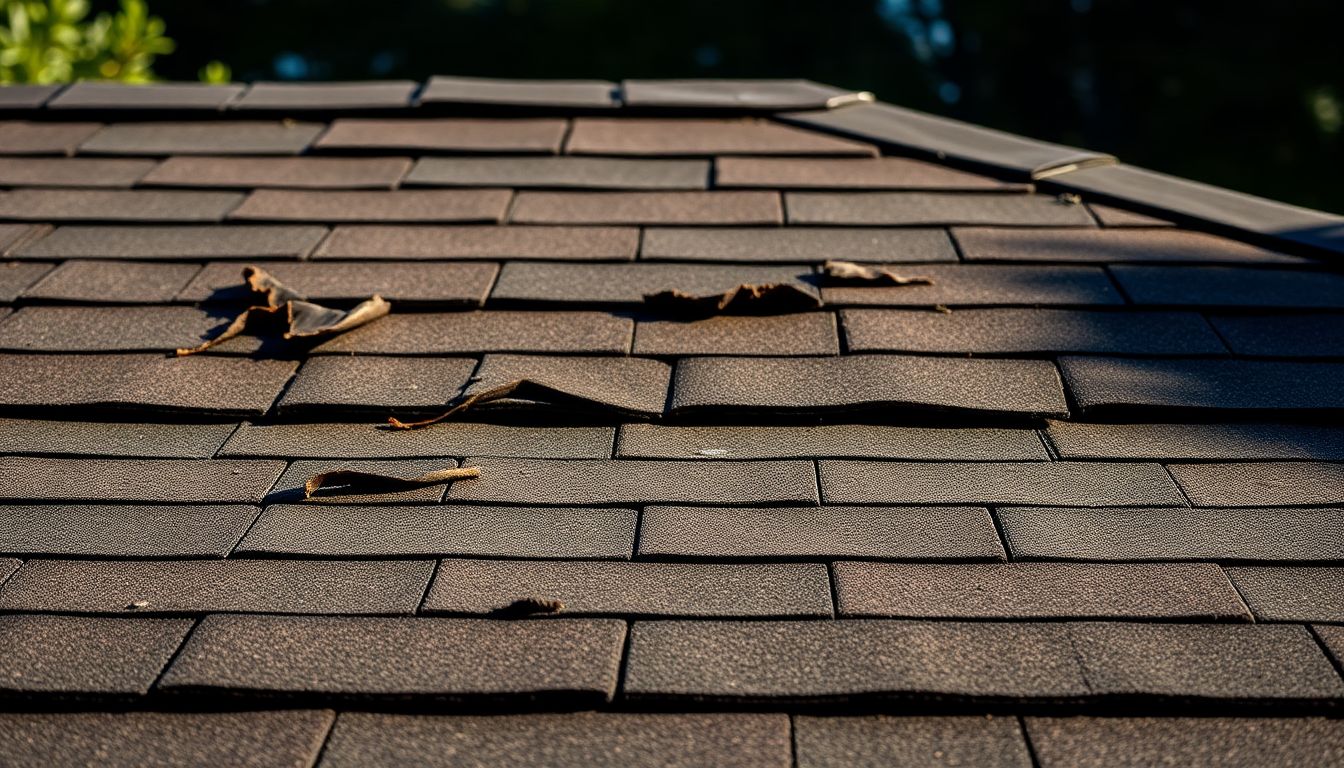
Missing or damaged shingles are red flags you can’t ignore. When shingles start curling at the edges or you find them in your yard after a storm, your roof’s protective barrier is compromised.
Water stains on your ceiling tell a story. Even small stains mean water is getting where it shouldn’t be. What you see inside is often just a fraction of the damage happening in your attic and walls.
Interior Warning Signs
Check your attic regularly. Sunlight coming through the roof boards means you have holes. Dark stains or streaks on the wood indicate water damage. If you smell mold or mustiness up there, water has been getting in for a while.
Higher energy bills might seem unrelated, but they often point to roof problems. When your roof isn’t properly sealed, your air conditioning works harder to keep your home comfortable.
Granules in your gutters are normal to some extent, but excessive granules mean your shingles are deteriorating. Think of it like losing the protective coating on your car’s paint.
Houston Weather: Your Roof’s Biggest Challenge
Houston weather doesn’t play fair with roofs. Our climate is like a stress test that never ends.
Summer temperatures regularly hit the high 90s, and your roof surface can reach 150 degrees or more. This constant expansion and contraction weakens roofing materials over time. It’s like bending a paperclip back and forth until it breaks.
Then there’s humidity. Houston’s moisture doesn’t just make you sweat – it creates perfect conditions for mold and rot in your roofing system. Poor ventilation makes this worse.
Storms hit fast and hard here. A sunny morning can turn into a hail storm by afternoon. Those ice balls don’t just bounce off your roof – they chip away at shingle granules and create weak spots.
UV rays are another silent killer. They break down roofing materials at the molecular level. It’s why roofs in Houston often need replacement sooner than in other climates.
Choosing the Right Roofing Materials for Houston
Not all roofing materials are created equal, especially in Houston’s challenging climate. What works in Minnesota might fail miserably here.
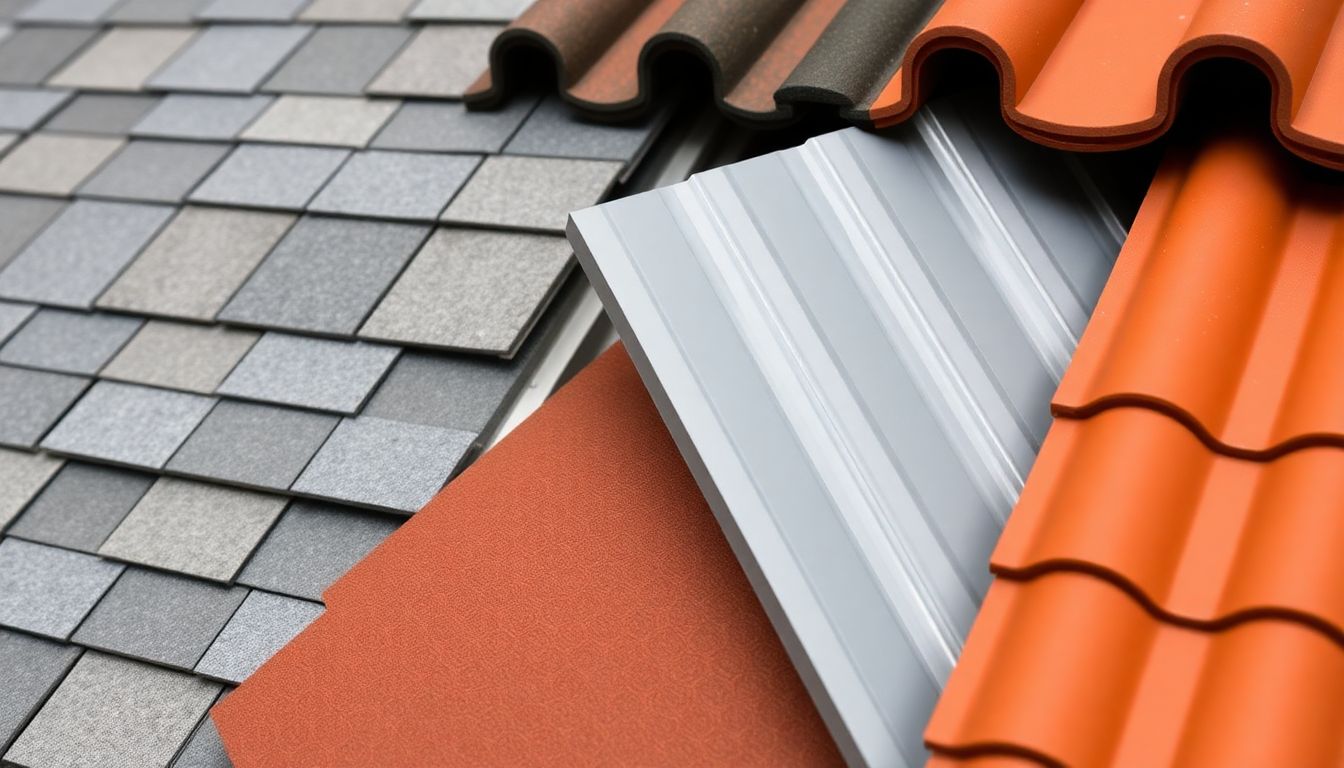
Asphalt shingles remain the most popular choice for good reason. They’re cost-effective, perform well in our climate, and come in styles that complement most home designs. Look for shingles with higher wind ratings and impact resistance.
Metal roofing is gaining popularity in Houston, and for good reason. It reflects heat instead of absorbing it, which can significantly lower cooling costs. Metal roofs also handle our sudden weather changes better than most materials.
Clay tiles offer excellent durability and energy efficiency but come with a higher upfront cost. They’re particularly good at handling heat but require proper installation to prevent wind damage.
Material Performance in Houston Weather
The key is choosing materials designed for our specific challenges. Look for products with high wind ratings – we get those sudden storms that test everything. Impact resistance matters too, especially if you live in areas prone to hail.
Energy efficiency should be a major consideration. Light-colored materials or those with reflective properties can cut your cooling costs significantly. In Houston’s heat, your roof choice directly impacts your utility bills.
At Top Quality Roofing, we help homeowners choose materials that make sense for their specific situation, budget, and home style. There’s no one-size-fits-all solution.
What Roof Replacement Actually Costs in Houston
Let’s talk numbers. Roof replacement is a significant investment, and you deserve to know what you’re looking at.
In Houston, a typical roof replacement ranges from $8,000 to $25,000, depending on size, materials, and complexity. That’s a wide range because every house is different.
Size matters most. A 1,200 square foot ranch house costs less than a 3,000 square foot two-story with multiple peaks and valleys. Complex rooflines take more time and materials.
Material choice dramatically affects price. Basic asphalt shingles are the most economical option. Premium materials like metal or clay tiles cost more upfront but often last longer.
Don’t forget the hidden costs. If your decking needs repair or replacement, that adds to the total. Poor ventilation might need addressing. Sometimes we find damage that wasn’t visible from the ground.
Getting Accurate Estimates
Beware of estimates that seem too good to be true. Quality materials and proper installation cost what they cost. Extremely low bids often mean corners will be cut somewhere.
Get at least three estimates, but don’t automatically choose the lowest. Compare what’s included, the materials specified, and the warranty offered. A slightly higher bid might include work that others left out.
At Top Quality Roofing, we provide detailed estimates that break down every aspect of the job. You’ll know exactly what you’re paying for and why.
Finding Contractors You Can Trust
Horror stories about roofing contractors are everywhere. The guy who took the money and disappeared. The crew that covered up damage instead of fixing it. The company that used substandard materials.
Don’t become one of those stories.
Start with licensing and insurance. Any legitimate roofing contractor should have both and be happy to provide proof. If they hesitate or make excuses, walk away.
Check references, and actually call them. Ask about the quality of work, how the crew handled problems, and whether they’d hire the company again. Recent references matter more than ones from five years ago.
Look for local companies with established reputations. Fly-by-night operations often appear after major storms, do quick work, and disappear when problems arise.
Red Flags to Avoid
Door-to-door solicitation is often a red flag, especially right after storms. Legitimate companies don’t need to hunt for business this way.
Pressure tactics are another warning sign. No reputable contractor will demand you sign today or lose a special price. Good contractors want you to make an informed decision.
Requests for full payment upfront should set off alarms. Standard practice is a small deposit to start, with the bulk of payment due when work is completed to your satisfaction.
At Top Quality Roofing, we’ve built our reputation over years of honest work and satisfied customers. We’re here for the long haul, not just your next job.
The Replacement Process: What to Expect
Knowledge is power, especially when contractors are working on your biggest investment. Here’s what a professional roof replacement looks like from start to finish.
The process begins with a thorough inspection. We examine every inch of your roof, check the attic for damage, and assess the overall condition of your roofing system. This isn’t a five-minute look from the ground.
Next comes the detailed estimate. We measure everything, calculate materials needed, and explain what work needs to be done. You’ll know exactly what’s happening and why.
Once you approve the work, we order materials and schedule the job. Weather plays a big role in scheduling – we don’t install roofs in the rain or high winds.
Day of Installation
Installation day starts early. The crew arrives with all necessary materials and equipment. First step is protecting your property with tarps and magnetic nail sweepers.
The old roof comes off in sections. This is messy work, but professional crews contain the debris and clean up daily. We inspect the decking as we go, replacing any damaged boards.
New materials go on in reverse order – underlayment first, then shingles or other roofing material. Proper installation follows manufacturer specifications exactly. This isn’t the time to take shortcuts.
Final cleanup includes removing all debris, checking the property for stray nails, and conducting a final inspection with you.
Working With Insurance Claims
If storm damage triggered your roof replacement, insurance might cover the cost. The claims process can be tricky, but understanding it helps you get what you’re entitled to.
Document everything. Take photos of damage from multiple angles. Note the date when you first noticed problems. Keep records of any temporary repairs you make.
Call your insurance company promptly. Most policies require timely notification of damage. Waiting too long can complicate your claim.
The adjuster’s inspection is crucial. Be present when they examine your roof. Point out all damage you’ve noticed. Sometimes things are missed on the first look.
Common Insurance Challenges
Insurance companies sometimes try to minimize claims. They might claim damage is from normal wear rather than storm damage. Having professional documentation helps counter these arguments.
Depreciation can reduce your payout. Some policies pay actual cash value first, then recoverable depreciation after repairs are completed. Understand your policy’s terms.
We work with insurance companies regularly and know how to document damage properly. We can provide the detailed estimates and photos insurance companies need to process your claim fairly.

Timing Your Roof Replacement Right
Timing matters more than you might think. Choose the right time, and everything goes smoother. Choose poorly, and you might face delays, higher costs, or quality issues.
Spring and fall are typically the best times for roof replacement in Houston. Weather is more predictable, and contractors aren’t dealing with extreme temperatures.
Summer work is possible but challenging. The heat is brutal for workers, which can slow progress. Early morning starts become necessary to beat the worst heat.
Winter offers some advantages – contractors are less busy, so you might get better scheduling and pricing. But weather can be unpredictable, and shorter days limit working hours.
Hurricane season complicates everything. Storms can delay projects for days or weeks. Materials may be harder to get if multiple homes need repairs simultaneously.
Planning Around Weather Patterns
Monitor weather forecasts carefully once work begins. A sudden storm can halt progress and potentially damage exposed areas. Professional contractors have contingency plans for weather delays.
Don’t wait for emergency replacement if you can help it. Emergency work costs more and limits your options. Contractors working in crisis mode charge premium prices.
Plan ahead when possible. If your roof is approaching replacement age, start getting estimates before you need the work done urgently.
Permits and Regulations in Houston
Houston has specific requirements for roof replacement, and following them protects you from future problems.
Most roof replacements require permits. The permit process ensures work meets current building codes and safety standards. It’s not just bureaucracy – it’s protection.
Your contractor should handle permit applications. If they suggest skipping permits to save money, find another contractor. Unpermitted work can create problems when you sell your home.
Inspections are part of the permit process. An inspector will check the work at specific stages to ensure it meets code requirements. This is good for you – it’s an independent check on your contractor’s work.
Building codes in Houston address wind resistance, proper installation methods, and energy efficiency standards. These requirements exist because of our local climate challenges.
Homeowner Association Considerations
If you live in a neighborhood with an HOA, check their requirements before choosing materials or colors. Some associations have strict guidelines about roofing materials and colors.
Get HOA approval in writing before work begins. Verbal approval isn’t enough if questions arise later. Submit proper documentation and wait for written response.
At Top Quality Roofing, we handle all permit requirements and work with HOAs regularly. We know the local requirements and make sure your project complies with all applicable rules.
Maintenance After Your New Roof
Your new roof is an investment worth protecting. Proper maintenance extends its life and maintains your warranty coverage.
Regular inspections catch problems early. Check your roof twice yearly – spring and fall work well. Look for loose or damaged shingles, clogged gutters, and signs of animal damage.
Keep gutters clean and flowing properly. Clogged gutters can cause water to back up under your roofing materials. In Houston’s heavy rains, this happens faster than you might expect.
Trim tree branches that hang over your roof. Branches scraping against shingles during wind storms cause damage. Falling branches from storms can cause major damage.
Address minor issues quickly. A loose shingle is a quick fix. Wait until it blows off, and you might have water damage to deal with too.
Seasonal Maintenance Tasks
- Spring: Check for winter storm damage, clean gutters, inspect flashing
- Summer: Look for heat damage, ensure proper attic ventilation
- Fall: Remove debris, check for loose shingles before storm season
- Winter: Monitor for ice damage, keep gutters clear
Professional maintenance pays for itself. Annual inspections by qualified roofers catch problems you might miss. We know what to look for and can spot potential issues before they become expensive repairs.
Your Next Steps to a New Roof
You now know what roof replacement involves, what to expect, and how to protect yourself throughout the process. The next step is taking action.
Start by honestly assessing your current roof’s condition. If you’re seeing warning signs, don’t wait for the problem to get worse. Water damage repairs cost far more than preventive roof replacement.
Get multiple estimates from licensed, insured contractors. Compare not just prices but the scope of work, materials specified, and warranties offered. The cheapest bid often costs more in the long run.
Ask questions about everything you don’t understand. A good contractor wants you to be comfortable with the decision and will take time to explain the process thoroughly.
Why Choose Top Quality Roofing
At Top Quality Roofing, we’ve spent years building relationships with Houston homeowners. We’re not the cheapest option, but we’re the best value. Our work comes with comprehensive warranties, and we stand behind every job.
We handle everything from initial inspection through final cleanup. Permits, insurance claims, material selection – we guide you through each step and make sure it’s done right.
Our crews are trained professionals, not day laborers. They know Houston’s building codes, understand our weather challenges, and take pride in their craftsmanship.
Ready to get started? Call us for a free inspection and estimate. We’ll assess your roof’s condition honestly and give you options that make sense for your situation and budget. Your home deserves a roof that protects your investment for years to come.