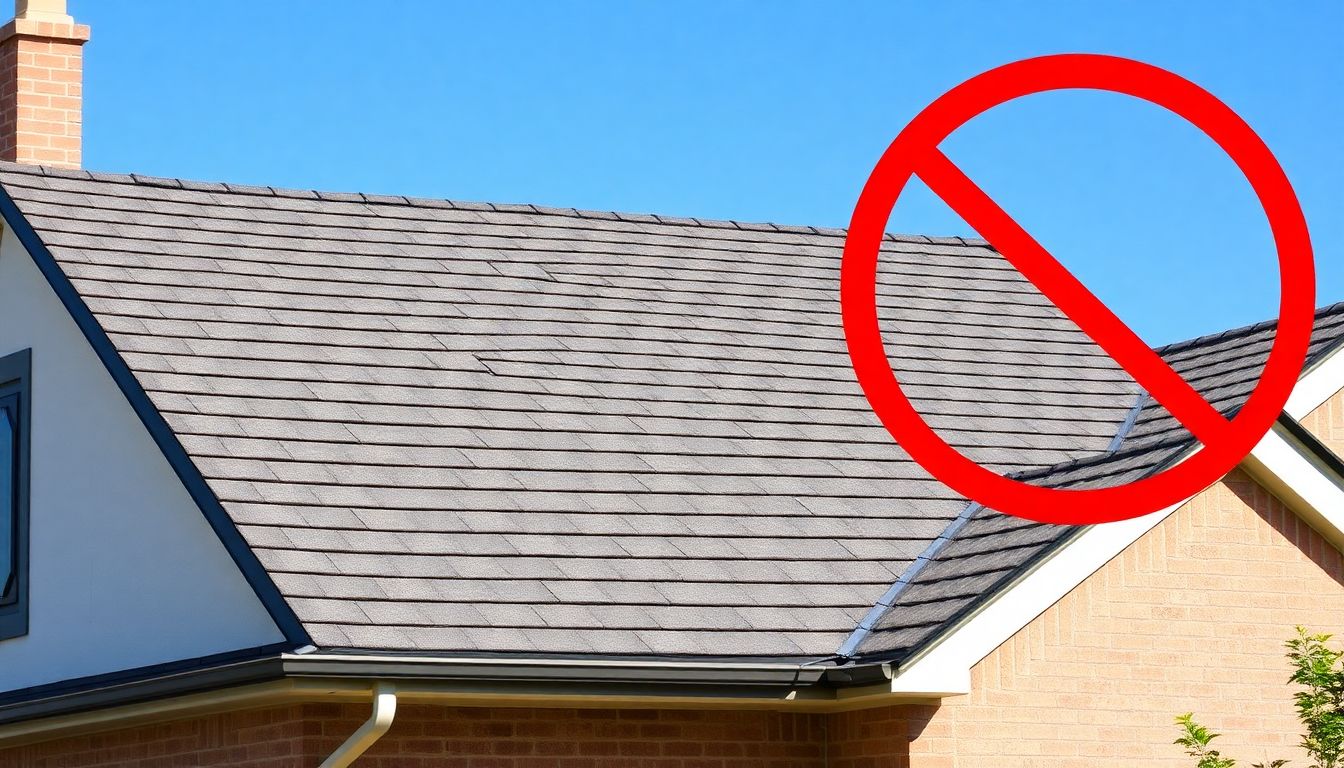

Why Prevention Beats Repair Every Time
Water damage from roof leaks costs Houston homeowners thousands of dollars each year. By the time you notice that brown stain on your ceiling, the real damage has already begun.
Think of roof leak prevention like changing your car’s oil. Skip it, and you’ll pay the price later with a blown engine. Ignore your roof’s health, and you’ll face rotted wood, mold growth, and damaged insulation.
At Top Quality Roofing, we see the aftermath of preventable leaks every day. The good news? Most roof leaks give you warning signs long before they become emergencies. When you learn what to look for and take action early, you save both money and stress.
Spotting Trouble Before It Strikes
Your roof talks to you. The question is whether you’re listening. Most leaks start small and grow over months or even years before they announce themselves with dripping water.
Walk around your house twice a year and look up. Check for missing or cracked shingles, especially after storms. Look for granules collecting in your gutters – this means your shingles are aging and losing their protective coating.
Interior Warning Signs You Can’t Ignore
Inside your home, check your attic regularly. Use a flashlight to scan for dark spots on the wood, which indicate moisture problems. Feel for soft or spongy areas in the roof decking.
Water stains on ceilings often appear far from the actual leak source. Water travels along roof beams before dripping down, so that stain in your living room might come from a leak above your bedroom.
The Power of Regular Inspections
Most homeowners only think about their roof when something goes wrong. That’s like only checking your bank account when you’re broke.
Schedule professional roof inspections every two years, or after major storms. At Top Quality Roofing, we catch dozens of small problems during these inspections that would have become major leaks within a year or two.
Between professional inspections, do your own monthly walk-arounds. You don’t need to climb on your roof – binoculars work great for spotting problems from the ground. Look for curled shingles, exposed nails, or anything that seems out of place.
Gutter Maintenance: Your First Line of Defense
Clogged gutters cause more roof damage than most homeowners realize. When water backs up in your gutters, it creates what we call an ice dam effect, even in hot Houston weather.
The backed-up water sits against your roof edge and eventually finds its way under shingles. Clean your gutters at least twice per year – once in spring and again in fall after the leaves drop.
Signs Your Gutters Need Attention
Look for water stains on your siding near the gutters. Check that downspouts direct water at least six feet away from your foundation. Sagging gutters or gutters pulling away from your house need immediate repair.
We recommend gutter guards for most Houston homes, especially those with large trees nearby. The upfront cost pays for itself in reduced maintenance and fewer water damage risks.
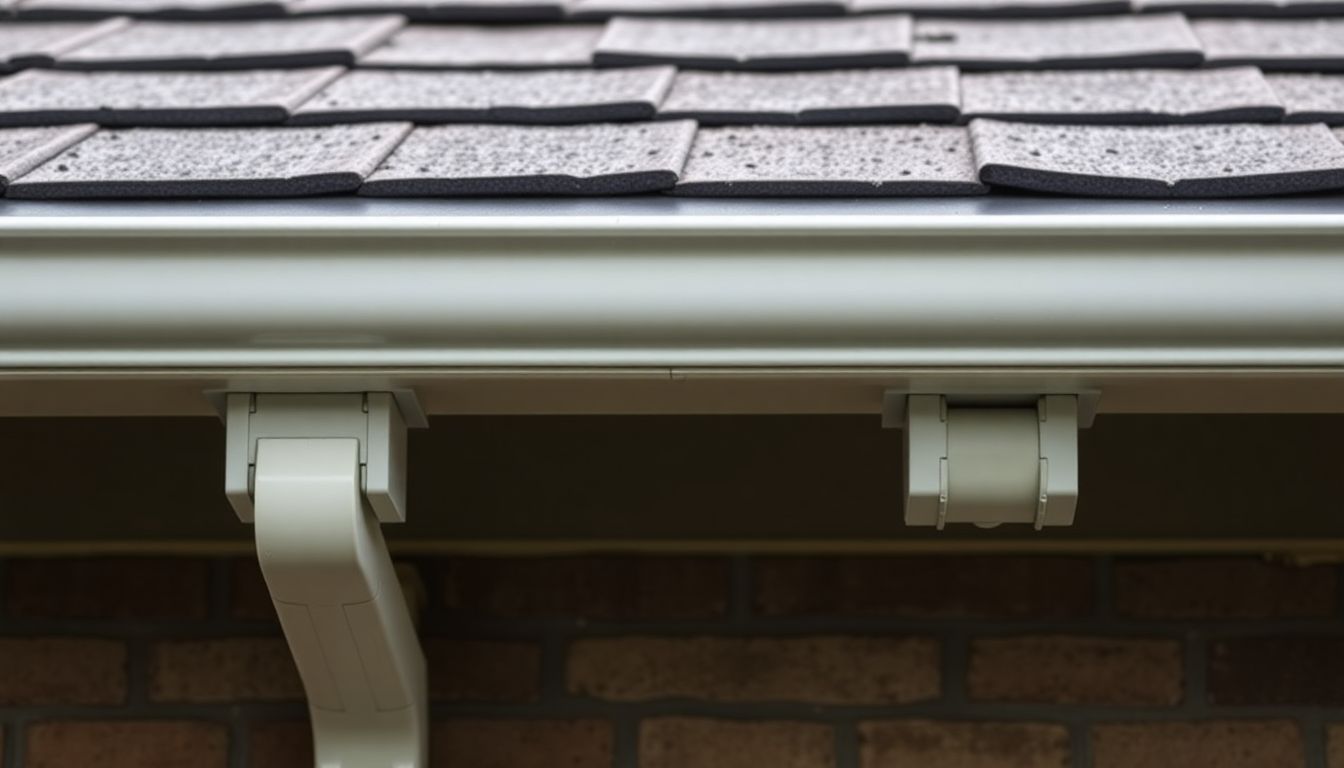
Flashing: The Weak Link in Every Roof
Flashing protects the joints where your roof meets walls, chimneys, vents, and skylights. It’s also where most leaks start.
Over time, flashing can crack, separate, or lose its seal. The expansion and contraction from Houston’s temperature swings puts constant stress on these connections.
Check flashing around chimneys, vent pipes, and any roof penetrations. Look for rust, cracks, or gaps where water could enter. If you see daylight through any flashing joints, water will find its way in too.
Ventilation: Why Your Roof Needs to Breathe
Poor attic ventilation creates moisture problems that lead to rot, mold, and premature roof failure. Your attic should stay close to outdoor temperature and humidity levels.
Hot, humid air trapped in your attic condensates on cooler surfaces, creating the perfect conditions for mold and wood rot. This weakens your roof structure and creates entry points for water.
Checking Your Ventilation System
Look for ridge vents along your roof peak and soffit vents under your roof eaves. Air should flow in through the soffits and out through the ridge vents, creating natural circulation.
If your attic feels significantly hotter or more humid than outside air, you need better ventilation. Proper ventilation also reduces your cooling costs by preventing heat buildup in your attic.
Tree Management for Roof Protection
Houston’s beautiful oak trees add value to your property, but overhanging branches threaten your roof’s integrity. Branches scraping against shingles wear away protective granules and create holes.
Keep tree branches at least ten feet away from your roof. This prevents damage from rubbing and reduces the debris that clogs your gutters. It also makes it harder for squirrels and other animals to access your roof.
After storms, check for broken branches hanging over your roof. These widow-makers can crash down weeks later, causing significant damage. Don’t try to remove large branches yourself – hire certified arborists for safety.
Seasonal Maintenance Tasks That Matter
Different seasons bring different challenges for your roof. Spring is inspection time after winter storms. Summer means checking for heat damage and ensuring ventilation works properly.
Fall requires gutter cleaning and checking that your roof is ready for winter weather. Even in Houston’s mild winters, temperature swings can cause materials to expand and contract, opening up weak points.
Your Seasonal Roof Care Checklist
- Spring: Inspect for storm damage, check flashing seals, clean gutters of winter debris
- Summer: Verify ventilation systems work, look for heat-related shingle damage, trim overhanging branches
- Fall: Final gutter cleaning, secure loose shingles before winter winds, check attic insulation
- Winter: Clear debris after storms, watch for ice dam formation, monitor for leaks during heavy rains
Consistent seasonal maintenance prevents most roof problems before they start. It’s much easier to replace a few shingles in fall than to repair water damage in spring.

Emergency Preparation and Quick Fixes
Even with perfect maintenance, emergencies happen. Houston weather can go from calm to destructive in minutes. Having emergency supplies and knowing basic temporary repairs can save you thousands in damage.
Keep roofing cement, plastic sheeting, and duct tape in your garage for emergency repairs. These won’t fix the problem permanently, but they’ll keep water out until professional help arrives.
If you spot a leak during a storm, place buckets to collect water and move furniture away from the drip. Don’t climb on a wet roof – wait for conditions to improve before attempting any repairs.
When to Call the Professionals
Some roof maintenance you can handle yourself, but know your limits. Safety should always come first, and some repairs require professional expertise to do correctly.
Call professionals for any work involving steep slopes, electrical systems, or structural repairs. If you’re uncomfortable with heights or don’t have proper safety equipment, don’t risk it.
Red Flags That Require Immediate Professional Attention
Multiple shingles missing or damaged after a storm means you need immediate inspection. Active leaks require fast response to prevent interior damage. Sagging roof lines indicate structural problems that need expert evaluation.
At Top Quality Roofing, we respond quickly to emergency calls because we know how fast water damage spreads. Don’t wait and hope the problem fixes itself – it won’t.
The Hidden Costs of Ignoring Prevention
The average roof leak repair costs ten times more than the prevention would have cost. But that’s just the beginning of your expenses.
Water damage spreads beyond your roof to insulation, drywall, flooring, and personal belongings. Mold remediation alone can cost thousands. Insurance might not cover damage from neglected maintenance.
What Prevention Really Costs vs. Repair
- Annual roof inspection: $200-400
- Gutter cleaning: $150-300 per year
- Minor shingle repairs: $300-800
- Water damage restoration: $3,000-8,000
- New roof replacement: $15,000-30,000
These numbers tell the story. Spending a few hundred dollars each year on maintenance can save you tens of thousands in major repairs or replacement.
Your Next Steps to a Leak-Free Roof
Prevention works, but only if you start before problems develop. Begin with a professional inspection to establish your roof’s current condition and identify any existing issues.
Create a maintenance schedule based on your roof’s age, material, and condition. Set calendar reminders for seasonal checks and don’t skip them when life gets busy.
At Top Quality Roofing, we help Houston homeowners protect their investment through comprehensive inspections and preventive maintenance plans. We’d rather help you maintain a healthy roof than replace a damaged one.
Call us today to schedule your roof inspection and start your prevention plan. Your roof protects everything you value – isn’t it worth protecting in return?